热气是什么?热气食物清单、凉茶怎么喝 Heaty Food, Liang Teh & Dampness
November 8, 2026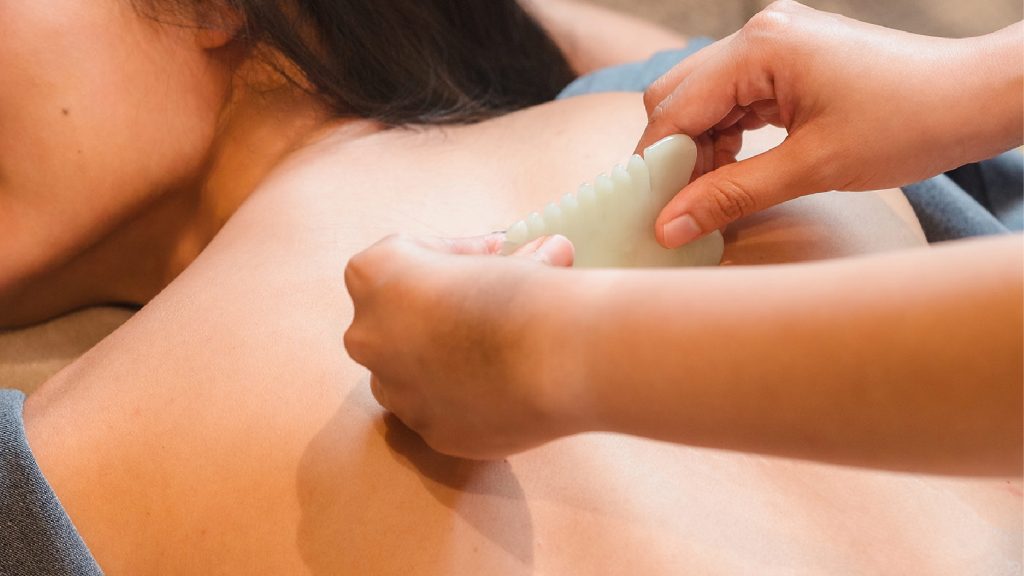
Reviewed by Casey Wong Pui Mun, Registered TCM Practitioner · November 2026
由注册中医师 黄佩文医师审阅
刮痧完整指南:痧的顏色代表什麼、多久會退、誰不適合做
简单回答:刮痧是用刮痧板在涂了油的皮肤上,顺着同一个方向反覆轻刮,让局部循环变好、紧绷的肌肉放松。刮完出现的红紫色点状「痧」,是皮下微血管的小量渗出,通常 2 到 7 天会慢慢退。身体刮痧常用在肩颈背的酸痛和疲劳;脸部刮痧手法轻得多,一般不会出痧,目的是消水肿、放松脸部肌肉。
Short answer: gua sha uses a smooth tool to stroke oiled skin repeatedly in one direction, improving local circulation and relaxing tight muscles. The red-purple dots that appear, called “sha”, are small amounts of blood from tiny vessels under the skin and usually fade within 2 to 7 days. Body gua sha is often used for neck, shoulder and back aches and fatigue; facial gua sha is far gentler, usually leaves no marks, and aims to reduce puffiness and relax the face.
痧的顏色代表什麼?
淡红、很快就退:局部循环还不错,或只是轻微紧绷。
鲜红、点状明显:常见于最近比较累、肌肉紧绷,或天气热、身体偏热的人。
深紫、暗红成片:常见于长期酸痛、同一个地方一直很紧,或循环比较差的部位。
几乎不出痧:不代表没效,可能那里本来就不紧,或手法本来就轻。
颜色只是参考,医师还是会配合把脉、问诊一起判断;同一个人不同时间刮,颜色也会不一样。
Light pink, fades fast: circulation is fairly good, or tension is mild. Bright red, clear dots: common when you are run-down, tight, in hot weather or lean “hot”. Dark purple patches: common over areas that have ached or stayed tight for a long time, or where circulation is poorer. Hardly any marks: does not mean it did not work; the area may simply not be tight, or the technique was light. Colour is only one clue; practitioners combine it with pulse and consultation, and the same person can show different colours at different times.
刮完要注意什麼?
・4 到 6 小时内不要洗冷水澡,也避免冷气直吹刮过的地方。
・多喝温水,当天不要剧烈运动或喝酒。
・痧没退之前,同一个位置不要再刮。
・刮完有点酸、有点累是正常的,通常一天内会好。
Avoid cold showers and air-conditioning blowing on the area for 4 to 6 hours. Drink warm water, and skip hard exercise and alcohol that day. Do not scrape the same area again until the marks fade. Feeling a little sore or sleepy afterwards is normal and usually passes within a day.
誰不適合刮痧?
孕妇的腹部和腰骶部、皮肤有伤口、湿疹发作、晒伤或感染的地方、正在服用抗凝血药物或容易瘀青、出血的人、静脉曲张的位置、刚吃饱或空腹太久、身体很虚弱或发烧时,都不适合,或要先问医师。
Gua sha is not suitable, or needs a practitioner’s advice first, over a pregnant abdomen or lower back; on wounds, active eczema, sunburn or infection; if you take blood thinners or bruise or bleed easily; over varicose veins; right after a big meal or on a very empty stomach; or when you are very weak or feverish.
在家自己刮,和到診所刮有什麼不同?
在家可以用刮痧板轻刮肩颈放松,记得涂油、力道轻、方向一致、不要刮骨头。到诊所,医师会先把脉问诊,判断你适不适合、该刮哪里、要不要搭配针灸或拔罐;如果酸痛一直回来,也会看看是不是背后有结构的问题,需要 SRM 一起处理。
At home you can gently scrape the neck and shoulders to relax: use oil, light pressure, one direction, and avoid bony areas. At the clinic, a practitioner first takes your pulse and history to decide whether gua sha suits you, where to work and whether to combine it with acupuncture or cupping. If the ache keeps coming back, they will also check whether a structural pattern behind it needs SRM.
刮痧,和 SRM 裡的「刮法」不一樣
常有人问:做 SRM 的时候,医师也会轻轻「刮」一下,那是不是刮痧?不是,两者的目的不一样。
People sometimes ask: during SRM the practitioner also lightly “scrapes” the skin, so is that gua sha? No. The two have different purposes.
刮痧是一个独立的疗程:用刮痧板刮出痧,促进局部循环,放松酸痛和疲劳,就是这篇前面介绍的内容。
SRM 的刮法只是 SRM 结构治疗里的一个小步骤,通常只有几下:医师先让皮肤和下面的骨头对位,再用很轻的力道碰一碰皮肤,目的是「唤醒」浅层组织,让接下来的手法更容易把整个结构调顺。它不是为了出痧,通常也不会留下痕迹。
Gua sha is a treatment in its own right: a tool is used to bring up sha, boost local circulation and ease aches and fatigue, as described above. Scraping in SRM is just one small step inside SRM structural treatment, usually only a few strokes. The practitioner first lines the skin up with the bone underneath, then touches the skin very lightly to “wake up” the superficial tissue so the rest of the hands-on work can realign the structure more easily. It is not meant to bring up marks and usually leaves none.
所以,如果你想放松肩颈背的酸痛,可以预约刮痧;如果痛一直反覆、和姿势或旧伤有关,则需要 SRM 从整体结构去处理。不确定的话,先预约问诊,医师会帮你判断。了解 SRM 系统还原手法 →
So if you want to ease neck, shoulder or back aches, gua sha is a good choice; if pain keeps returning or is linked to posture or an old injury, SRM looks at the whole structure. If you are not sure, book a consultation and your practitioner will advise. Read about SRM →
延伸閱讀
个人情况因人而异,疗程建议需经问诊与医师评估后决定。
Individual conditions vary. Recommendations follow consultation and practitioner assessment.
Wondering what this means for you?
想了解自己的情况?
Every body is different. Start with a consultation (RM60): your practitioner reads your pulse, tongue and how you move, then explains what they suggest.
每个人的身体都不一样。从问诊开始(RM60):医师会看脉、看舌、看你怎么活动,再跟你说明建议。
Related care · 相关疗程:拔罐刮痧艾灸 · 中医内科
Book a consultation · 预约问诊Not sure where to start? · 30 秒小测验
WhatsApp: Bangsar · Mont Kiara · Penang