被说「长短脚」,需要矫正吗? Told One Leg Is Shorter? What Leg Length Difference Really Means
November 26, 2026呼吸浅、吸不饱,检查都正常?从横膈膜、肋骨和惯用手看呼吸 Shallow Breathing When Tests Are Normal
November 27, 2026Written by Dr. Douglas Lim 林江豪, Founder of Virtue TCM · Registered TCM Practitioner · November 2026
撰文:醫道閣创办人 林江豪医师(注册中医师)
胸口悶、胸口痛,心臟檢查卻都正常?從肋骨和胸椎看「胸壁痛」
简单回答:胸口痛,第一步永远是先排除心脏和肺的问题。但如果心电图、验血都看过了,医生说心脏没事,胸口还是闷、还是一阵一阵地痛,就值得看看「胸壁」:肋骨、肋软骨、胸椎和它们周围的肌肉。研究发现,在一般门诊看胸口痛的人里,接近一半最后的原因是胸壁,而不是心脏。
Short answer: chest pain always starts with ruling out the heart and lungs. But if your ECG and blood tests are clear and the doctor says your heart is fine, yet your chest still feels tight or keeps aching, it is worth looking at the chest wall: the ribs, rib cartilage, thoracic spine and the muscles around them. In primary care, close to half of people seen for chest pain turn out to have pain from the chest wall rather than the heart.
先排除:這些情況請立刻求醫
胸口痛加上冒冷汗、喘不过气、想吐、头晕快昏倒,或痛到手臂、下巴、背部,请立刻打 999 或去急诊,不要等,也不要先看这篇文章。走路、爬楼梯时痛,休息就好一点;突然撕裂一样的剧痛;有心脏病、糖尿病、高血压、高胆固醇或抽烟,这些情况都要先让医生检查。胸壁痛大多在左边,跟心脏的位置重叠,所以不能自己判断「应该是肌肉」。
If chest pain comes with sweating, breathlessness, nausea, feeling faint, or spreads to your arm, jaw or back, call 999 or go to the emergency department now. Pain that comes on with walking or stairs and eases with rest, a sudden tearing pain, or a history of heart disease, diabetes, high blood pressure, high cholesterol or smoking all need a doctor first. Chest wall pain is often on the left, over the heart, so never decide on your own that “it’s just a muscle”.
檢查都正常,為什麼還會痛?
瑞士一个研究追踪了 672 位因胸口痛去看家庭医生的人,约 45% 最后诊断是胸壁痛;德国另一个 1,212 人的研究也差不多,是 46.6%。换句话说,「心脏没事、胸口还是痛」其实很常见。同一个德国研究也发现,半年后仍有一半以上的人还在痛,所以它不一定会自己很快消失。
A Swiss study of 672 people who saw their family doctor for chest pain found about 45% were finally diagnosed with chest wall pain; a German study of 1,212 people found 46.6%. In other words, “my heart is fine but my chest still hurts” is very common. The German study also found that more than half still had pain six months later, so it does not always settle quickly on its own.
胸壁痛常見的樣子
・痛的地方可以用一两根手指指出来,按下去会有特别痛的一点。
・深呼吸、转身、举手、侧睡压到那一边时,痛会变明显。
・常常在搬重物、咳了一段时间、开始新的运动,或连续坐在电脑前很久之后出现。
这些只是给医生参考的线索,不能用来自己排除心脏问题。
・You can point to the pain with one or two fingers, and pressing on one spot is especially sore.
・It gets worse with a deep breath, twisting, lifting your arm, or lying on that side.
・It often starts after carrying something heavy, a long bout of coughing, a new workout, or long hours at a desk.
These are clues for your doctor, not a way to rule out the heart yourself.
為什麼要看肋骨和胸椎?
每一根肋骨前面透过肋软骨接到胸骨,后面在胸椎上有两个小关节。我们每呼吸一次,十二对肋骨都要跟着动。肋间神经从胸椎出来,沿着肋骨绕到前面,所以背后胸椎和肋骨关节卡住、周围肌肉绷紧,感觉有时候会出现在胸口前面。临床上我们常看到:胸口闷的人,同一高度的背部比较硬、那几根肋骨的活动比较小,呼吸时胸口那一侧动得不多,肩胛骨周围也特别紧。
Each rib joins the breastbone at the front through cartilage, and the thoracic spine at the back through two small joints. With every breath, all twelve pairs of ribs have to move. The intercostal nerves leave the thoracic spine and run around the ribs to the front, so stiffness at the back of the rib cage can sometimes be felt in the chest. In practice we often find that people with chest tightness have a stiffer mid back at the same level, less movement in those ribs, less movement of that side of the chest when breathing, and tight muscles around the shoulder blade.
別忘了手:慣用手怎麼把胸廓拉歪(橫軸)
在 SRM 的看法里,身体有两条主要的轴:纵轴(上下)大致决定骨架的方向;横轴(左右,经过肩膀、锁骨和上半段肋骨)则很容易被手拉歪。我们每天大多用同一只手拿滑鼠、提袋子、炒菜、抱小孩,惯用手那一侧的屈肌和胸大肌一直收得比较紧,久了连皮肤和筋膜都被往前、往内带,上半段的胸廓就跟着转过去。第八根以上的肋骨主要跟着横轴走,而胸口卡、闷的位置,常常刚好就在这一段。
临床上我们常摸到:两边锁骨不一样高,惯用手那一侧的胸大肌比较紧,肩膀前面一压就痛,头往后仰时,脖子和胸口交界的地方好像卡住。也因为手会一直把胸廓拉回去,如果只调肋骨、不先把手臂和肩膀松开,很快又会回到原来的位置。所以我们的顺序通常是:先松手臂和肩膀,再处理肋骨和胸骨。
Don’t forget the arm: how your dominant hand pulls the rib cage (the horizontal axis). In SRM we look at two main axes. The vertical axis (top to bottom) largely sets the direction of the skeleton; the horizontal axis (side to side, through the shoulders, collarbones and upper ribs) is easily pulled out of line by the arms. Most of us use the same hand all day, for the mouse, bags, cooking and carrying children, so the flexors and chest muscle on that side stay tighter. Over time the skin and fascia are drawn forward and inward, and the upper rib cage turns with them. The ribs from the eighth upwards mostly follow the horizontal axis, which is often exactly where chest tightness sits.
In practice we often feel collarbones at different heights, a tighter chest muscle on the dominant side, tenderness at the front of the shoulder, and a “stuck” feeling where the neck meets the chest when the head tips back. Because the arm keeps pulling the rib cage back, adjusting the ribs alone without first freeing the arm and shoulder tends not to last. So our usual order is: release the arm and shoulder first, then work on the ribs and breastbone.
研究怎麼說?
丹麦一个随机对照试验收了 115 位胸口痛的人,全部先在胸痛专科排除了急性冠心症,再分成两组:一组接受四周的徒手治疗,另一组自己按指导做伸展和调整姿势。第 4 周和第 12 周时,徒手治疗组的疼痛改善比较好;到一年后,两组都有改善,差距就不明显了。我们的理解是:处理结构可以让胸壁痛比较快缓和下来,但长期还是要靠自己的姿势、呼吸和活动习惯一起维持。
A Danish randomised controlled trial included 115 people with chest pain, all of whom had acute coronary syndrome ruled out at a chest pain clinic first. One group had four weeks of manual treatment; the other followed self-management advice on stretching and posture. At 4 and 12 weeks, the manual treatment group had better pain improvement; at one year, both groups had improved and the difference was no longer clear. Our reading: working on structure can help chest wall pain settle sooner, but in the long run your own posture, breathing and movement habits matter just as much.
报告写「二尖瓣脱垂」?以前很多年轻女性因为胸闷、心悸照心脏超音波,被说是二尖瓣脱垂,从此不敢运动。后来美国 Framingham 研究用比较严格的标准看了 3,491 人,盛行率只有约 2.4%,而且有脱垂的人,胸痛、喘的比例并没有比没有的人高。6 心脏的事一定要听心脏科医生的判断;如果医生说没问题,胸闷还在,就值得看看肋骨和胸椎。
Told you have “mitral valve prolapse”? Many young women with chest tightness or palpitations were once given this label and stopped exercising. Using stricter criteria, the Framingham study of 3,491 people found a prevalence of only about 2.4%, and people with prolapse did not have more chest pain or breathlessness than those without.6 Always follow your cardiologist on heart matters; if they say your heart is fine and the tightness remains, the ribs and thoracic spine are worth a look.
在家可以先做的事(醫生確認心臟沒事之後)
・肋骨呼吸:双手放在下面几根肋骨的两侧,慢慢吸气,让肋骨往两边撑开推动你的手,再慢慢吐气。每天几次,每次 5 分钟。
・坐着转身:坐直,双手交叉放在胸前,慢慢往左右转到舒服的位置,各 10 次,不要硬转。
・打开惯用手那一侧:坐直或站直,惯用手往侧后方打开、掌心朝前,停在胸口前面有点拉开、但不痛的位置,慢慢呼吸 5 次。另一手不用做。
・每 30–45 分钟起来动一动,不要长时间驼背对着电脑或手机。
・背后紧的地方可以热敷;重的东西不要长期用同一边提。
・记下哪些动作会让胸口痛,看诊时告诉医师。如果痛的感觉变了、变得更频繁,或出现上面的警示症状,请再看医生。
・Rib breathing: place your hands on the sides of your lower ribs, breathe in slowly so the ribs widen into your hands, then breathe out slowly. A few times a day, five minutes each.
・Seated rotation: sit tall, arms crossed over your chest, and turn slowly left and right as far as is comfortable, ten times each way. Don’t force it.
・Open your dominant side: sit or stand tall, take your dominant arm out to the side and slightly back with the palm facing forward, stop where the front of your chest feels gently stretched but not painful, and take five slow breaths. Only that side.
・Get up and move every 30–45 minutes instead of hunching over a screen for hours.
・Use heat on the tight area in your back, and avoid always carrying heavy things on the same side.
・Note which movements bring the pain on and tell your practitioner. If the pain changes, comes more often, or any warning sign above appears, see a doctor again.
在醫道閣,我們會看什麼
医师会先确认你已经做过需要的心脏和肺部检查,再把脉看舌,了解你的工作姿势、运动、压力和睡眠,然后检查手臂和肩膀(特别是惯用手那一侧)、胸椎、肋骨、肋软骨和肩胛骨的活动与张力,以及呼吸时胸廓怎么动。需要的话,会用 SRM 系统还原手法‧结构疗法 处理,和你原本的医疗一起进行。每个人的情况不同,建议会在评估后才决定。也可以看看 肋骨:长期腰背不适常被忽略的关键、驼背、乌龟颈,以及 从横膈膜和中背看胃酸倒流。
Our practitioner first checks that you have had the heart and lung tests you need, then reads your pulse and tongue, asks about your work posture, exercise, stress and sleep, and examines how your arms and shoulders (especially on your dominant side), thoracic spine, ribs, rib cartilage and shoulder blades move, and how your chest moves when you breathe. Where it helps, we use SRM structural therapy alongside your medical care. Everyone is different, and advice is given only after assessment. See also the ribs and long-term back pain, hunchback and forward head posture, and reflux, the diaphragm and the mid back.
參考文獻 · References
1. Gulati M, et al. 2021 AHA/ACC/ASE/CHEST/SAEM/SCCT/SCMR guideline for the evaluation and diagnosis of chest pain. Circulation. 2021;144(22):e368–e454.
2. Verdon F, et al. Chest wall syndrome among primary care patients: a cohort study. BMC Fam Pract. 2007;8:51.
3. Bösner S, et al. Chest wall syndrome in primary care patients with chest pain: presentation, associated features and diagnosis. Fam Pract. 2010;27(4):363–369.
4. Stochkendahl MJ, et al. Chiropractic treatment vs self-management in patients with acute chest pain: a randomized controlled trial of patients without acute coronary syndrome. J Manipulative Physiol Ther. 2012;35(1):7–17.
5. Stochkendahl MJ, et al. A randomized clinical trial of chiropractic treatment and self-management in patients with acute musculoskeletal chest pain: 1-year follow-up. J Manipulative Physiol Ther. 2012;35(4):254–262.
6. Freed LA, Levy D, Levine RA, et al. Prevalence and clinical outcome of mitral-valve prolapse. N Engl J Med. 1999;341(1):1–7.
本文属一般卫教资讯,不能代替医生的诊断和治疗。胸口痛请先求医。General health information, not a substitute for medical diagnosis or treatment. Always get chest pain checked by a doctor first.
试试看 · Try:哪里痛?互动人体图 · 30 秒自我检查 · 体质小测验
形 · Your first SRM visit · 第一次做 SRM
For pain that keeps coming back.
反覆的腰背、颈肩痛,或旧伤、疤痕的牵扯。第一次来,医师会先找出拉扯是从哪里开始的。
- 1 评估Assess posture & movement
- 2 手法First SRM session
- 3 计划What next, if anything
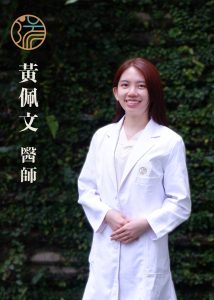 Casey Wong 黄佩文医师Registered TCM practitioner · SRM
Kuala Lumpur · Bangsar / Mont Kiara
RM 235 · 45 min · assessment included 已含评估
Initial assessment + SRM-30 · 初次评估+SRM-30
Book in KL · 预约吉隆坡“This was my first time trying SRM. It’s a gentle and soothing method of adjustment… Miss Wong is a very patient and experienced physician.”★★★★★ Jacinta K. · Mont Kiara · Google review
Founder
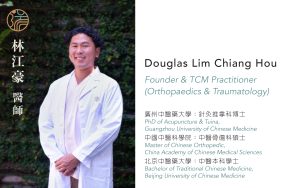 Dr. Douglas Lim 林江豪医师Registered TCM practitioner · SRM
Kuala Lumpur · Bangsar / Mont Kiara
RM 400 · 45 min · assessment included 已含评估
Initial assessment + SRM-30 · 初次评估+SRM-30
Book with Dr. Lim · 预约林医师“I’ve been seeing Dr. Lim for years. He’s knowledgeable, genuinely cares about his patients… He can get to the root problem and treats the cause, not just symptoms.”★★★★★ Ying Xian W. · Bangsar · Google review
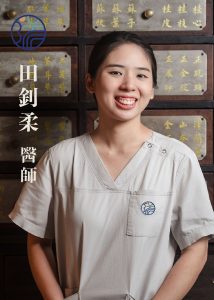 June Chan 田钊柔医师Registered TCM practitioner · SRM
Penang · The Qing Suites
RM 410 · 60 min · assessment included 已含评估
Initial assessment + SRM-60 · 初次评估+SRM-60
Book in Penang · 预约槟城Prefer a shorter first session? Book SRM-60 only (RM 350) with a separate consultation.
“I opted for SRM treatment with June. She was extremely good and thorough in checking my whole posture… She explained in detail what and why she was treating.”★★★★★ Vivianne S. · The Qing Suites · Google review
Not sure SRM is right for you? 不确定适不适合? Start with a 15-min consultation (RM 60): KLPenang · or WhatsApp BangsarMont KiaraPenang
Individual conditions vary; your practitioner will advise after assessment. 个人情况因人而异,疗程建议需经医师评估后决定。
Related care · 相关疗程:中医内科 · General TCM Care · 针灸 · Acupuncture · SRM 系统还原手法‧结构疗法