胸口闷、胸口痛,检查都正常?从肋骨和胸椎看胸壁痛 Chest Wall Pain When Heart Tests Are Normal
November 27, 2026Written by Dr. Douglas Lim 林江豪, Founder of Virtue TCM · Registered TCM Practitioner · November 2026
撰文:醫道閣创办人 林江豪医师(注册中医师)
呼吸淺、總覺得吸不飽,檢查卻都正常?從橫膈膜、肋骨和慣用手看呼吸
简单回答:老是觉得吸不到底、要常常深呼吸或叹气,第一步一定是请医生排除肺、心脏、贫血、甲状腺等问题。如果检查都正常,常见的原因之一是「呼吸模式」走样了:本来应该由横膈膜和下面几根肋骨负责的呼吸,变成用肩膀、脖子和上胸在硬撑。改善呼吸,最有研究支持的是「呼吸再训练」;而肋骨、胸椎、横膈膜,还有被惯用手拉歪的胸廓,决定了你的呼吸动不动得开。
Short answer: if you often feel you can’t get a full breath and keep needing to sigh or take deep breaths, start by asking a doctor to rule out lung, heart, anaemia and thyroid problems. If the tests are normal, a common reason is that your breathing pattern has drifted: breathing that should be driven by the diaphragm and lower ribs is being done by the shoulders, neck and upper chest instead. Breathing retraining has the strongest evidence for helping; the ribs, thoracic spine, diaphragm, and a rib cage pulled out of line by your dominant arm decide whether your breathing has room to move.
先排除:這些情況請先看醫生
突然很喘、胸口痛、咳血、嘴唇发紫,请立刻打 999 或去急诊。另外,走路或爬楼梯越来越喘、躺平就喘、半夜喘醒、脚肿、有喘鸣声、发烧,或体重不明原因下降,都要先看医生。这篇文章讲的是检查都做过、结果正常之后的情况。
If breathlessness comes on suddenly, or comes with chest pain, coughing up blood or blue lips, call 999 or go to the emergency department now. Breathlessness that keeps getting worse with walking or stairs, breathlessness lying flat or waking you at night, swollen legs, wheezing, fever or unexplained weight loss also need a doctor first. This article is about what comes after the tests are done and normal.
「吸不飽」可能是什麼?
医学上把这种情况叫做「呼吸功能失调」(dysfunctional breathing):在排除了身体的疾病之后,呼吸的方式本身出了问题。常见的样子包括:主要用上胸呼吸、肚子和下肋几乎不动;常常叹气、打哈欠;不自觉地憋气;胸廓和肚子的动作对不上。感觉上会是吸不到底、胸口紧、想打哈欠,有时还会头晕、手指发麻、心跳快、容易累。它并不少见:英国一个调查发现,在接受气喘治疗的成年人里,约 29% 的问卷结果显示有呼吸功能失调的迹象。紧张和呼吸也会互相影响,越在意「吸不饱」,越容易吸得又快又浅。
Doctors call this dysfunctional breathing: once disease has been ruled out, the way you breathe is itself the problem. Common patterns include breathing mainly with the upper chest while the belly and lower ribs barely move, frequent sighing or yawning, unconsciously holding the breath, and a rib cage and belly that don’t move in step. It can feel like you can’t breathe all the way in, a tight chest or a need to yawn, sometimes with dizziness, tingling fingers, a racing heart or tiredness. It is not rare: a UK survey found that about 29% of adults treated for asthma had questionnaire scores suggesting dysfunctional breathing. Stress and breathing also feed each other: the more you worry about not getting enough air, the faster and shallower you tend to breathe.
為什麼身體的結構會影響「吸不吸得飽」?
「喘不喘」的感觉,不只是看血里的氧气,而是大脑把很多讯号加在一起的结果,其中包括胸壁肌肉传上来的讯号。有一个研究很有意思:在呼吸肌肉上加一个跟着吸气节奏的振动,病人的喘感就减轻了;节奏不对时反而更喘。这说明胸壁「动得顺不顺」,本身就会改变我们觉得吸不吸得饱。
正常吸气时,横膈膜往下,下面几根肋骨往两边撑开,像水桶的提把一样抬起来。如果中背和下肋卡住、横膈膜被绷紧(胸口下方、剑突附近摸起来很硬),身体只好叫脖子和上胸的肌肉帮忙,呼吸就变得又浅又高。另一个常被忽略的是手:我们整天用同一只手做事,惯用手那一侧的胸大肌、胸廓被拉向前、往内转(SRM 叫「横轴」歪了),那一边的肋骨就打不开。临床上我们常看到:吸气时下肋几乎没有往两边撑,两边锁骨不一样高,惯用手那侧的胸大肌和颈侧肌肉特别紧,脖子和胸口交界的地方卡住,胸口下方很硬。
How breathless we feel is not just about the oxygen in our blood; the brain adds up many signals, including signals from the chest wall muscles. One study found that vibrating the breathing muscles in time with breathing in reduced patients’ breathlessness, while vibration out of time made it worse. In other words, how smoothly the chest wall moves can itself change whether we feel we’re getting enough air.
When you breathe in normally, the diaphragm moves down and the lower ribs widen sideways, lifting like the handle of a bucket. If the mid back and lower ribs are stiff and the diaphragm is held tight (the area just below the breastbone feels hard), the body recruits the neck and upper chest muscles instead, and breathing becomes shallow and high. Another often-missed factor is the arm: we use the same hand all day, so the chest muscle and rib cage on the dominant side are pulled forward and turned inward (in SRM terms, the horizontal axis is out of line), and the ribs on that side can’t open. In practice we often find lower ribs that barely widen on breathing in, collarbones at different heights, tight chest and side-of-neck muscles on the dominant side, a stuck junction where the neck meets the chest, and a hard area below the breastbone.
研究怎麼說?
目前证据最强的是呼吸再训练:英国一个 655 人的气喘随机对照试验,物理治疗师教三次呼吸练习,或用影片自己在家练,一年后生活品质都比一般照护好,不过肺功能本身没有改变。徒手治疗方面要老实说:一个 60 人、针对呼吸功能失调的随机试验发现,在呼吸再训练之外再加徒手治疗,并没有带来额外的改善;另一个 20 人的慢性阻塞性肺病(COPD)小型试验则发现,针对横膈膜的徒手放松可以增加横膈膜的活动和步行距离。我们的理解是:呼吸要靠自己练,这是主角;处理结构的角色,是把卡住肋骨和横膈膜的地方松开,让你练的时候身体真的动得开,而不是取代练习。
The strongest evidence is for breathing retraining: in a UK randomised trial of 655 adults with asthma, three sessions with a physiotherapist, or a self-guided video programme at home, improved quality of life over a year compared with usual care, though lung function itself did not change. On manual therapy, to be honest: a randomised trial of 60 people with dysfunctional breathing found that adding manual therapy to breathing retraining gave no extra benefit; a small 20-person trial in COPD found that a manual diaphragm release increased diaphragm movement and walking distance. Our reading: your own breathing practice is the main act; structural work is there to free whatever is holding the ribs and diaphragm, so your body can actually move as you practise, not to replace the practice.
在家可以先做的事(醫生確認沒有其他問題之後)
・先观察:一手放胸口、一手放肚子,正常呼吸一分钟,看看哪一只手动得多。
・低而慢:用鼻子吸气,让肚子和下面的肋骨往两边撑开(双手可以放在下肋两侧感觉),再用比吸气长一点的时间慢慢吐气。每天 2–3 次,每次 5 分钟。不要用力大口深呼吸,吸太多反而更不舒服。
・想叹气或打哈欠时:先吞一下口水,或用鼻子轻轻吸一小口,慢慢习惯不靠叹气。
・打开惯用手那一侧:惯用手往侧后方打开、掌心朝前,停在胸口前面有点拉开但不痛的位置,慢慢呼吸 5 次。另一手不用做。
・每 30–45 分钟起来动一动,坐着时做几次慢慢左右转身。
・如果紧张、压力也是其中一部分,这很常见,可以跟医生说,不用自己硬撑。
・Notice first: one hand on your chest, one on your belly; breathe normally for a minute and see which hand moves more.
・Low and slow: breathe in through your nose and let your belly and lower ribs widen sideways (hands on the sides of your lower ribs help you feel it), then breathe out slowly, a little longer than the in-breath. Two or three times a day, five minutes each. Don’t force big deep breaths; over-breathing makes it worse.
・When you want to sigh or yawn: swallow first, or take a small gentle sip of air through the nose, and slowly get used to not relying on sighs.
・Open your dominant side: take your dominant arm out to the side and slightly back, palm facing forward, stop where the front of the chest feels gently stretched but not painful, and take five slow breaths. Only that side.
・Get up and move every 30–45 minutes, and do a few slow seated turns left and right.
・If stress or anxiety is part of the picture, that is common; tell your doctor rather than pushing through on your own.
在醫道閣,我們會看什麼
医师会先确认你已经做过需要的检查,再把脉看舌,了解你的睡眠、压力和工作姿势,然后看你怎么呼吸:哪里在动、哪里不动。接着检查下肋、胸口下方(横膈膜附近)、胸椎、手臂和肩膀(特别是惯用手那一侧)以及脖子的活动与张力。需要的话,会用 SRM 系统还原手法‧结构疗法 把卡住的地方松开,再教你回家练的呼吸,和你原本的治疗一起进行,气喘等药物请照医生的指示继续用。每个人的情况不同,建议会在评估后才决定。延伸阅读:胸口闷、胸口痛,心脏检查却都正常?、从横膈膜和中背看胃酸倒流、驼背、乌龟颈。
Our practitioner first checks that you have had the tests you need, then reads your pulse and tongue, asks about sleep, stress and work posture, and watches how you breathe: what moves and what doesn’t. We then check the lower ribs, the area below the breastbone (around the diaphragm), the thoracic spine, the arms and shoulders (especially on your dominant side) and the neck. Where it helps, we use SRM structural therapy to free what is stuck, then teach you breathing to practise at home, alongside your existing care; keep using asthma or other medication as your doctor advises. Everyone is different, and advice is given only after assessment. Further reading: chest wall pain when heart tests are normal, reflux, the diaphragm and the mid back, hunchback and forward head posture.
參考文獻 · References
1. Parshall MB, et al. An official American Thoracic Society statement: update on the mechanisms, assessment, and management of dyspnea. Am J Respir Crit Care Med. 2012;185(4):435–452.
2. Boulding R, Stacey R, Niven R, Fowler SJ. Dysfunctional breathing: a review of the literature and proposal for classification. Eur Respir Rev. 2016;25(141):287–294.
3. Thomas M, McKinley RK, Freeman E, Foy C. Prevalence of dysfunctional breathing in patients treated for asthma in primary care: cross sectional survey. BMJ. 2001;322:1098–1100.
4. Sibuya M, et al. Effect of chest wall vibration on dyspnea in patients with chronic respiratory disease. Am J Respir Crit Care Med. 1994;149(5):1235–1240.
5. Bruton A, et al. Physiotherapy breathing retraining for asthma: a randomised controlled trial. Lancet Respir Med. 2018;6(1):19–28.
6. Jones M, et al. Does manual therapy provide additional benefit to breathing retraining in the management of dysfunctional breathing? A randomised controlled trial. Disabil Rehabil. 2015;37(9):763–770.
7. Rocha T, et al. The Manual Diaphragm Release Technique improves diaphragmatic mobility, inspiratory capacity and exercise capacity in people with chronic obstructive pulmonary disease: a randomised trial. J Physiother. 2015;61(4):182–189.
本文属一般卫教资讯,不能代替医生的诊断和治疗。呼吸不适请先求医。General health information, not a substitute for medical diagnosis or treatment. Always get breathlessness checked by a doctor first.
试试看 · Try:哪里痛?互动人体图 · 30 秒自我检查 · 体质小测验
形 · Your first SRM visit · 第一次做 SRM
For pain that keeps coming back.
反覆的腰背、颈肩痛,或旧伤、疤痕的牵扯。第一次来,医师会先找出拉扯是从哪里开始的。
- 1 评估Assess posture & movement
- 2 手法First SRM session
- 3 计划What next, if anything
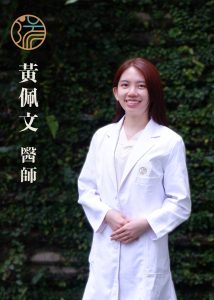 Casey Wong 黄佩文医师Registered TCM practitioner · SRM
Kuala Lumpur · Bangsar / Mont Kiara
RM 235 · 45 min · assessment included 已含评估
Initial assessment + SRM-30 · 初次评估+SRM-30
Book in KL · 预约吉隆坡“This was my first time trying SRM. It’s a gentle and soothing method of adjustment… Miss Wong is a very patient and experienced physician.”★★★★★ Jacinta K. · Mont Kiara · Google review
Founder
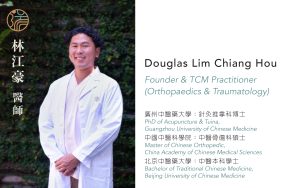 Dr. Douglas Lim 林江豪医师Registered TCM practitioner · SRM
Kuala Lumpur · Bangsar / Mont Kiara
RM 400 · 45 min · assessment included 已含评估
Initial assessment + SRM-30 · 初次评估+SRM-30
Book with Dr. Lim · 预约林医师“I’ve been seeing Dr. Lim for years. He’s knowledgeable, genuinely cares about his patients… He can get to the root problem and treats the cause, not just symptoms.”★★★★★ Ying Xian W. · Bangsar · Google review
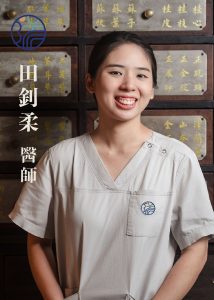 June Chan 田钊柔医师Registered TCM practitioner · SRM
Penang · The Qing Suites
RM 410 · 60 min · assessment included 已含评估
Initial assessment + SRM-60 · 初次评估+SRM-60
Book in Penang · 预约槟城Prefer a shorter first session? Book SRM-60 only (RM 350) with a separate consultation.
“I opted for SRM treatment with June. She was extremely good and thorough in checking my whole posture… She explained in detail what and why she was treating.”★★★★★ Vivianne S. · The Qing Suites · Google review
Not sure SRM is right for you? 不确定适不适合? Start with a 15-min consultation (RM 60): KLPenang · or WhatsApp BangsarMont KiaraPenang
Individual conditions vary; your practitioner will advise after assessment. 个人情况因人而异,疗程建议需经医师评估后决定。
Related care · 相关疗程:中医内科 · General TCM Care · 针灸 · Acupuncture · SRM 系统还原手法‧结构疗法