形 · Structure
SRM Structural Therapy · KL & Penang
Pain is where the body speaks
Structure is where we begin to ask why
疼痛是身体说话的地方,
结构,是我们开始追问原因的地方
SRM · Systemic Resilience Manipulation
系统还原手法‧结构疗法
At a glance · 重点一览
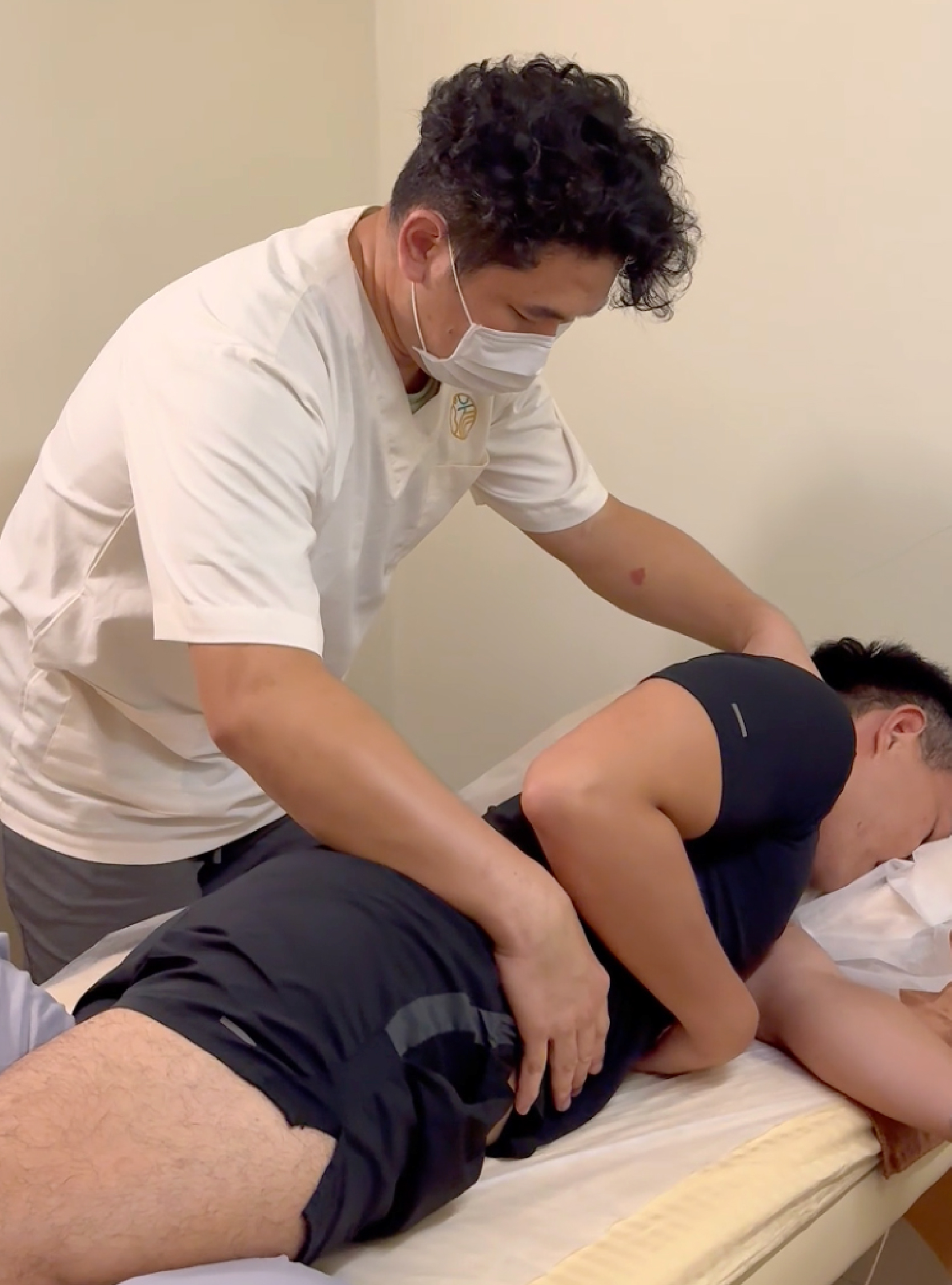
SRM (Systemic Resilience Manipulation) is a structural therapy developed at Virtue TCM, mainly hands-on, with fine needling where needed. It looks at where tension, restriction and compensation sit across the whole body, not only where it hurts.
SRM 系统还原手法是醫道閣发展的结构疗法,以手法为主,需要时也会用针,看的是张力、受限与代偿在全身哪里,而不只是痛的那一点。
- First visit · 首诊
- Assessment + SRM45 min in KL
- Fees · 收费
- From RM 235in KL · Penang fees differ
- Centres · 分店
- All three centresSRM-trained practitioners
- Reviewed · 审阅
- Dr. Douglas LimOct 2026
What It Is · 这是什么
A way of reading the body,
not a set of techniques.
SRM looks at three things: how the body is structured, where it holds tension, and how it has adapted over time.
SRM 看三件事:身体如何被结构起来、张力积在哪里,以及它长期以来如何适应。
A shoulder that hurts may not be where the problem started. A body compensates — quietly, for years — until one place can no longer carry the rest.
痛的那个肩膀,未必是问题开始的地方。身体会代偿 —— 安静地,代偿很多年 —— 直到某个地方再也扛不住其他部分。
It follows no fixed sequence.
It is shaped by the person in front of us.
它没有固定流程,由眼前的人决定。
形 与 势
Structure is what the body has become
势 is where it still wants to move
形,是身体现在的样子。
势,是它还想往哪里去。
「勢順,可動。」
—— 林兩傳老師
SRM works with both. Not to force a shape back, but to restore the direction — so the body can move on its own again.
SRM 两者都看。不是把形状扳回去,而是把方向还回来 ——
让身体重新能够自己走。
Where It Came From · 它的来历
It was not invented. It was worn in.
它不是被發明的,是被磨出來的。
SRM grew out of years of Structure Reduction Therapy (SRT) training — hands first, then needles, then diagnosis — and a bonesetting clinic before that.
SRM 自多年的结构治疗(SRT)训练磨练而来:先是手法,然后针法,再到诊断;在那之前,是骨伤科诊所的日子。
Dr. Lim’s story · 林医师的故事 →Who It's For · 适合谁
Wherever structure is part of the story
只要身体的结构是故事的一部分
Pain that returns
反覆出现的痛
Lower back, neck and shoulder, knees. Pain that improves for a while, then comes back to the same place.
腰、颈肩、膝盖。好一阵子,又回到同一个地方。
Back pain that keeps coming back? How acupuncture fits into back pain care →
腰背痛反覆发作?看针灸如何和结构疗法一起配合。
Posture & movement
姿势与活动
Long hours at a desk, one shoulder sitting higher, a body that feels stuck on one side.
久坐、一边肩膀比较高、身体某一侧总是卡住。
Beyond pain
不只是痛症
Structure may also influence how the body breathes, moves, digests and regulates. SRM is used alongside women's health and general TCM care.
结构也影响呼吸、消化与经期。SRM 也与妇科、内科一起使用。
How It Works · 疗程怎么进行
Every journey starts with an assessment
每一段疗程,都从一次评估开始
|
1
Structural Assessment 骨架结构检查 |
2
Manual Work 手法调整 |
3
What Holds 维持与追踪 |
After the Session · 治疗之后
We don’t try to put everything back
in one session.
不是一次把每个地方都扳回原位
Each SRM session focuses on releasing what stops the body from moving fully, and the pull that keeps it compensating. Once those are released, the body can reorganise itself, in the right direction, through everyday movement. This is what 势顺,可动 means.
SRM 每次治疗的重点,是解开让身体动不到底的限制,以及一直把身体往代偿方向拉的那股力量。限制解开了,身体才能顺着对的方向,在日常活动里慢慢重新组织。这就是「势顺,可动」。
Session Length · 疗程时间
30, 60 or 180 minutes: how to choose
30、60、180 分钟,怎么选?
More time allows more assessment, treatment and re-checking. Your session length is decided together, based on your condition, your response to treatment and the time you can arrange. In Kuala Lumpur: SRM-30 Instant Reset, SRM-60 Intensive Recovery or SRM-180 Transformation (3 hours). At The Qing Suites, Penang: SRM-60.
时间不同,能展开的评估、处理与反覆测试也不同。疗程长度会依你的状况、治疗反应与可安排的时间共同决定。吉隆坡提供 SRM-30 Instant Reset、SRM-60 Intensive Recovery 与 SRM-180 Transformation(3 小时);槟城 The Qing Suites 提供 SRM-60。
比较三种疗程长度 · Compare the three lengths +
|
SRM-30 Instant Reset 聚焦当次关键 Kuala LumpurYour practitioner finds the restriction and the pull that matter most today and releases them, so the body can keep adjusting between visits. At the next visit, we check what stayed. |
SRM-60 Intensive Recovery 多一些处理与检查的时间 Kuala Lumpur · PenangMore time to work through related areas, and to re-check how you move after each adjustment. |
SRM-180 Transformation 一层一层细拆 Kuala LumpurArranged after assessment. Time to work layer by layer and to test how steady the body is across different movements. It does not mean everything is done in one visit, and it is not guaranteed to work better than a shorter session. |
Fees are arranged after assessment · 费用依评估安排
Not sure how long you need?
不确定需要多久?
In Kuala Lumpur, start by booking CIA + SRM-30 (Comprehensive Initial Assessment plus SRM-30), about 45 minutes. In Penang, book CIA + SRM-60 (Comprehensive Initial Assessment plus SRM), about 60 minutes. Your practitioner will get to know your situation, then talk through the session length and follow-up that suit you.
在吉隆坡,第一次来先预约「CIA + SRM-30」(完整初诊评估+SRM-30),约 45 分钟;在槟城,请预约「CIA + SRM-60」(完整初诊评估+SRM),约 60 分钟。医师会先了解你的状况,再与你讨论后续适合的疗程时间与追踪安排。
Ask about session length · 询问疗程安排
Available at Bangsar · Mont Kiara · The Qing Suites, Penang
三间诊所皆有提供
Hands and Needles · 手与针
One way of reading
Two ways in
同一种阅读方式,两种进入的路径
|
SRM Systemic Resilience Manipulation Worked through the hands — fascia, layers, and the direction the body is trying to move in. |
SRA Systemic Resilience Acupuncture The same structural reading, approached through needling. Point selection follows tension and compensation, not the sore spot alone. |
In Kuala Lumpur, both are part of one session.
在吉隆坡,两者已经整合在同一次疗程里。
At The Qing Suites in Penang, SRA can also be booked on its own.
在槟城 The Qing Suites,系统还原针法也可以单独预约。
想多了解一點:SRM 怎麼看身體Going deeper · 宏观与微观、层次与空间、唤醒・松解・分离・重建展开阅读 · Read more +
Going deeper · 想多了解一点
How SRM reads your body
SRM 怎么看身体:先看整个人,再看组织
The thinking behind SRM is what we call the Systemic Resilience Method: read the body from the whole system down to the tissue first, then decide whether to work by hand, by needle, or both.
SRM 背后的思维,我们称为「系统还原法」:先从整个系统到组织,宏观、微观一起读身体,再决定用手、用针,或两者搭配。
SRM looks at you twice: first the whole body, to find where the pull starts; then up close, at the tissue itself. Most of the work is done by hand, and fine needling is added where the hands cannot reach.
SRM 会看你两次:先看整个人,找出拉扯从哪里开始;再拉近看组织本身的状态。治疗以手法为主,手到不了的细微地方,再用针。
Macro
宏观 · 看整个人
- 势 · 身体的走向 · DirectionNot only how you stand now, but which way your body keeps being pulled. 不只看你现在站成什么样子,也看身体一直被往哪个方向带。
- 纵轴与横轴 · 上下左右的平衡 · AxesHead to feet, and side to side. Always using the same hand slowly twists them. 从头到脚、从左到右。总是用同一只手,会慢慢把它们扭过去。
- 代偿 · 替别处负重 · CompensationWhen one part is stuck, others carry its load, often far from where it hurts. 一处卡住,其他地方就替它出力,所以痛点常常离源头很远。
- 结构网络 · 牵一发而动全身 · One webPain is rarely one "bad" muscle or bone; the body pulls as a whole. 痛很少只是某一条筋、某一根骨头的问题,身体是整张网一起拉。
Micro
微观 · 看组织
- 唤醒 · 重新有感 · AwakenTissue that has gone quiet responds again to a light, precise touch. 久未活动、黏住的组织,在轻而准的刺激下重新有反应。
- 松解 · 舒展开来 · ReleaseOnce there is room, tight, folded tissue can unfold. 有了空间,紧缩折叠的组织才松得开。
- 分离 · 层次分明 · SeparateLayers stuck together are eased apart, so each can glide on its own. 黏在一起的层次分开,各自能够滑动。
- 重建 · 自归其位 · RebuildWith the frame in the right place, the tissue settles back into order by itself. 骨架在对的位置,组织会自己重新排好。
- 组织的质 · 决定恢复快慢 · Tissue qualityOld injuries, burns, surgery and age leave tissue drier and less lively, so it responds more slowly. 旧伤、烧烫伤、手术和年纪,会让组织变干、比较没弹性,恢复就需要多一点时间。
How We Read · 我们怎么读身体
The body is not a rope
to be pulled harder
身体不是一条打结的绳子 ——
不是越用力拉,就越容易解开
Force often makes the body hold on tighter. So we look at three things instead.
用力,常常让身体抓得更紧。所以我们看的是另外三件事。
Layers
层次与空间
Skin, fascia, muscle and deeper tissue each need room to glide against one another. When that space is lost, the body feels heavy and stuck long before anything actually hurts.
皮肤、筋膜、肌肉与深层组织之间,需要有空间可以互相滑动。空间不见了,身体会先觉得重、觉得卡 —— 那通常发生在真的痛起来之前。
Together, and apart
一起动,也分开动
Some parts should move together. Others need to move independently. When everything moves as one block, the body becomes stiff and overprotective.
有些地方该一起动,有些地方该各自分开动。当什么都黏在一起动,身体就变得僵硬,也变得过度保护自己。
What it can carry
能承受多少
Soft is not the goal. Tissue needs stability as much as it needs give — a body that releases everything and holds nothing is not a body at ease.
越软不是越好。组织需要弹性,也需要该有的稳定 —— 什么都松开、什么都撑不住的身体,并不是一个放松的身体。
Related · 相关
When structure doesn’t hold
結構定不住的時候
Sleep, digestion and how depleted the body is decide whether the work stays. Often 醫 and 形 work together.
睡眠、消化与身体的亏损,决定调整留不留得住;很多时候,医与形一起来。
When an old scar still pulls
舊疤痕還在拉
A healed scar can keep pulling on the tissue around it, and the body works around it.
疤痕好了,底下的组织可能还在牵扯,身体跟着绕路。
Paediatric SRM
小兒 SRM
The same structural thinking for babies and children: very light work at the limbs, no cracking, parents stay throughout.
同样的结构思维:四肢轻柔处理、不喀骨,家长全程陪同。
Understanding SRM · 理解 SRM
What people ask before they book
Is SRM about pulling or forcing the body open?
是不是把身體硬拉開?
No. The body is not a rope, and pulling harder does not make a knot easier to undo — sometimes it makes the body hold on tighter. SRM works with structure, soft tissue and the direction the body is already trying to move in.
不是。身体不是一条绳子,越用力拉不代表越好解开 —— 有时候反而让身体抓得更紧。SRM 从结构、软组织,以及身体原本就想走的方向着手。
Why does the pain come back after massage or stretching?
為什麼按摩、拉筋之後,痛還是會回來?
Because the sore spot is often where the body is complaining, not where the pattern began. Releasing one tight area can feel good for a while, but if the underlying way the body moves has not changed, it tends to return to the same place.
因为痛的地方,常常只是身体在抗议的地方,不是模式开始的地方。放松一个紧绷处会舒服一阵子,但如果身体活动的方式没有变,它还是会回到原本的样子。
Why look at movement instead of just treating the painful spot?
為什麼不是只處理痛的地方?
The painful spot is often the last place that gave way, not the first place that stopped working. A shoulder may hurt because something else has been carrying more than its share for a long time. So we look at how you stand, move and compensate before deciding where to begin.
痛的地方,常常是最后撑不住的地方,不是最早出问题的地方。肩膀会痛,可能是因为别的地方扛了太久。所以我们先看你怎么站、怎么动、怎么代偿,再决定从哪里开始。
What does "good soft tissue" actually mean?
什麼叫「好的軟組織」?
Not simply soft. Layers need space to glide, the ability to move together when needed and separately when needed, and enough stability to hold. When those qualities are lost, a body feels tight, heavy or easily strained — often before anything shows on a scan.
不是越软越好。层次之间要有空间能滑动,该一起动时能一起动,该分开时能分开,同时还要有足够的稳定撑得住。这些条件不见了,身体就容易紧、重、一动就拉伤 —— 而且常常在检查照得出来之前。
I have bone spurs — does that rule SRM out?
有骨刺,還可以做嗎?
Bone spurs are a common long-term change, and their presence does not always explain the whole discomfort. Muscles, fascia, joint mobility, posture and load all play a part. SRM does not remove bone spurs — it assesses how the body is moving, and works with what can be supported safely.
骨刺是身体长期变化中常见的一种,但有骨刺不一定代表所有不适都是它造成的。肌肉、筋膜、关节活动度、姿势与受力方式都有份。SRM 不是把骨刺消掉,而是评估身体现在怎么活动,在安全范围内处理。
If pain is severe, worsening, or comes with numbness, weakness or a recent injury, please seek a medical assessment first.
若疼痛严重、持续恶化,或伴随麻痺、无力、近期受伤,建议先做医疗评估。
Before Your First Session · 第一次来之前
The practical part
How is SRM different from chiropractic?
跟整骨、chiropractic 有什麼不一樣?
Chiropractic often focuses on joint position, sometimes with a quick adjustment. SRM works more through soft tissue, fascia, structural assessment and movement direction. Rather than asking the body to change suddenly, we look at what has been holding it in that pattern.
整骨常着重关节的位置,有时用快速的调整。SRM 更多是透过软组织、筋膜、结构评估与活动方向。我们不是要求身体突然改变,而是先看:是什么让它一直停在这个模式里。
Does it hurt? Will I hear cracking?
會痛嗎?會有「喀」的聲音嗎?
Some areas feel sore while being worked on — usually where tension has been held longest. It is not a forceful technique; the practitioner works at a pace your body can follow. Because SRM goes mainly through soft tissue rather than high-velocity thrusts, there is often no sound at all. Mild soreness for a day or two is common, like after unfamiliar movement.
某些地方在处理时会酸 —— 通常是张力积得最久的位置。这不是使劲的手法,医师跟着身体能跟上的节奏走。因为主要透过软组织进行,不是快速推扳,常常完全没有声音。之后一两天有点酸是常见的,像做了不熟悉的活动。
SRM-30, 60 or 180 — which one?
30、60、180 分鐘,該選哪個?
Not by how large an area we cover — by how much the structure is holding on to.
差别不在处理的范围有多大,而在结构抓得有多紧。
| SRM-30 | When the structure releases readily, or for follow-up on work already underway. 结构松得开的时候,或已在进行中的追踪调整。 |
| SRM-60 | When it takes longer to reach somewhere worth stopping at. More time usually means a better place to leave it. 需要多一点时间,才解得到一个值得停下来的状态。时间够,收得比较漂亮。 |
| SRM-180 | Worked through from the inside out — then you get up, walk around, and we check together what has actually changed. 里里外外解开,然后你起来走走、动一动,我们再一起看实际上变了什么。 |
All three combine manual work with needling. A percussion hammer, vibration device or scraping technique may also be used, depending on what the body responds to.
三种都是手法搭配针法。视身体的反应,也可能用到叩诊锤、震动仪或刮法。
Not sure? Book the shorter one. We'll tell you if more time would help.
不确定的话,先约短的。需要更多时间,我们会告诉你。
How many sessions, and what should I wear?
要做幾次?要穿什麼?
It depends on how long the pattern has been there — something recent may shift within a few sessions, a body that has compensated for years takes longer. We reassess each visit rather than deciding a number upfront. Wear loose clothing you can move in; the practitioner needs to see how you stand and move. No need to change on arrival.
看这个模式存在多久了 —— 刚出现的可能几次就有变化,代偿很多年的需要比较久。我们每次重新评估,而不是一开始就定次数。穿宽松、能活动的衣服,医师需要看你怎么站、怎么动。到了不需要更衣。
What should I tell you beforehand?
有什麼要先告訴你們的?
A recent injury or fracture, osteoporosis, pregnancy, recent surgery, severe pain, numbness, weakness, fever, unexplained symptoms, or anything currently inflamed. These do not always mean SRM is unsuitable — but they change how we assess, how the work is modified, or whether the session should wait.
近期受伤或骨折、骨质疏松、怀孕、刚开过刀、疼痛很强、麻痺、无力、发烧、不明原因的症状,或身上有正在发炎的地方。这些不一定代表不能做 —— 但会影响我们怎么评估、手法怎么调整,或是否需要延后。
Patient Stories · 患者评价
他們的親身體驗
★★★★★ 4.9 / 5 · 206 Google reviews across our 3 centres · 3 间分店共 206 则 Google 评价
★★★★★
“I’ve been seeing Dr. Lim for years. He’s knowledgeable, genuinely cares about his patients… He can get to the root problem and treats the cause, not just symptoms. Even my parents are his patients now.”
★★★★★
“Miss Wong’s treatment approach is based on TCM but it went beyond the skin and treat my muscles at deeper levels. No twisting or loud cracking of bones. Just gentle, repeated movements…”
★★★★★
“I opted for SRM treatment with June. She was extremely good and thorough in checking my whole posture and then treating as needed… She explained in detail what and why she was treating and gave me advice and exercises to do on my own.”
★★★★★
“This was my first time trying SRM. It’s a gentle and soothing method of adjustment… Miss Wong is a very patient and experienced physician. Every time I see her, she carefully checks my whole body from head to toe.”
★★★★★
“Wong offered to give me a fascia release and combined with gentle acupuncture on my scars, I felt something in my hip shift. I could walk relatively normally again.”
★★★★★
“I really enjoyed SRM as well. After the first session, my posture improved alot. I felt like a brand new person. Even my family and friends noticed the difference.”
Excerpts from public Google reviews. Individual experiences vary. · 节录自 Google 公开评价,每个人的情况不同。
Start Here · 从这里开始
Not sure if SRM is right for you?
That's what the first visit is for.
不确定 SRM 适不适合你?初诊就是为了弄清楚这件事。
不确定选哪个疗程?WhatsApp 我们,医师会为你建议最合适的方案。
Individual conditions vary. Recommendations follow consultation and practitioner assessment.